December 30, 2025

Tanzania Safaris

Why Choose a Safari in Tanzania?

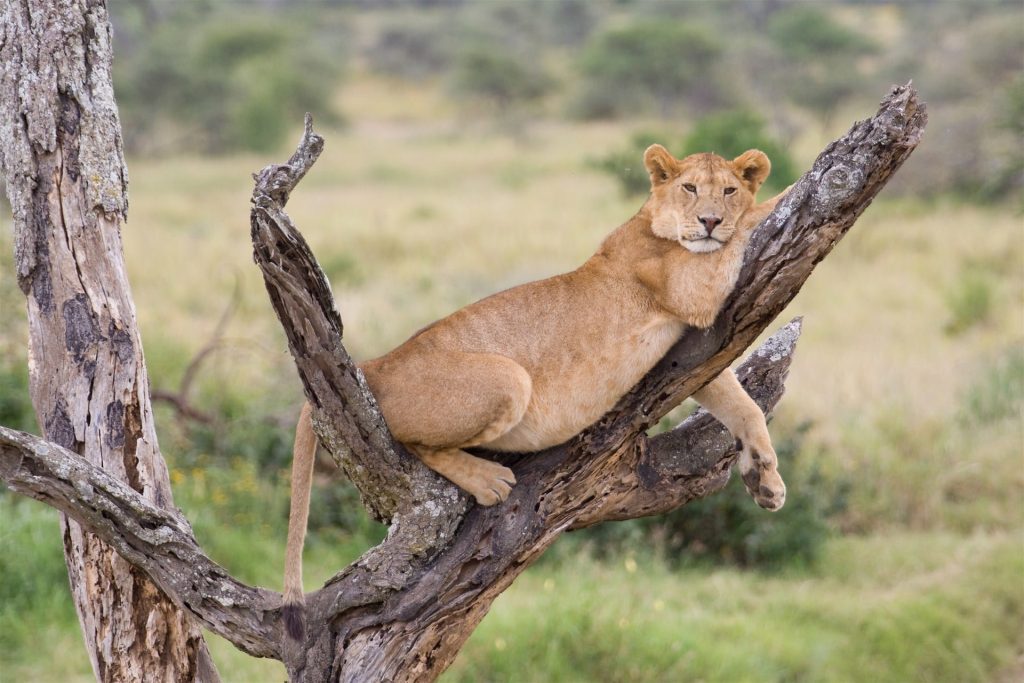
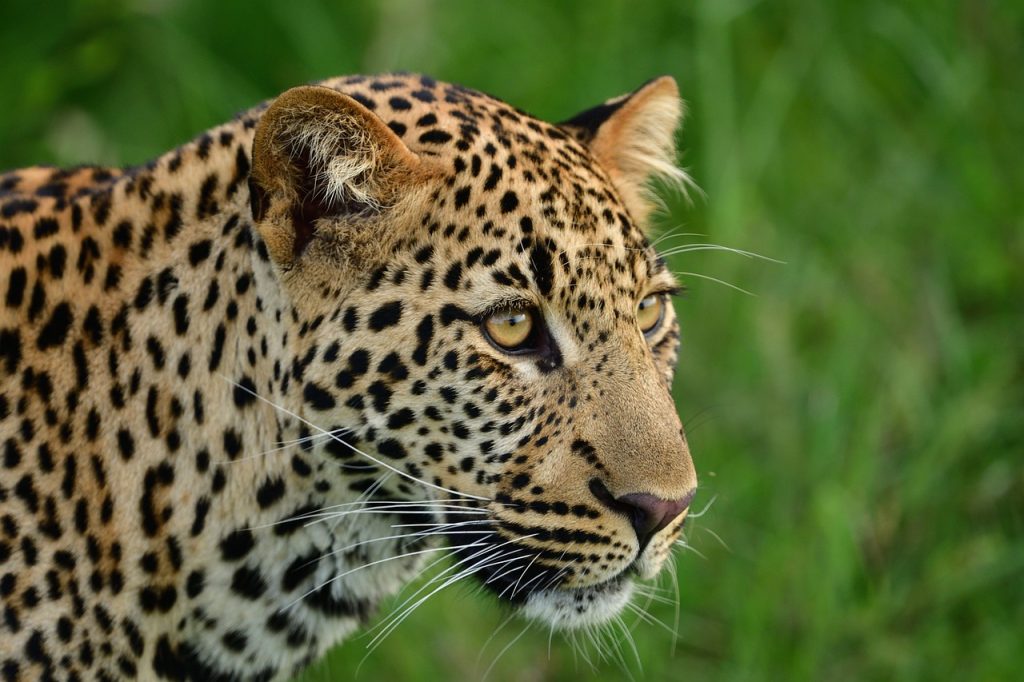
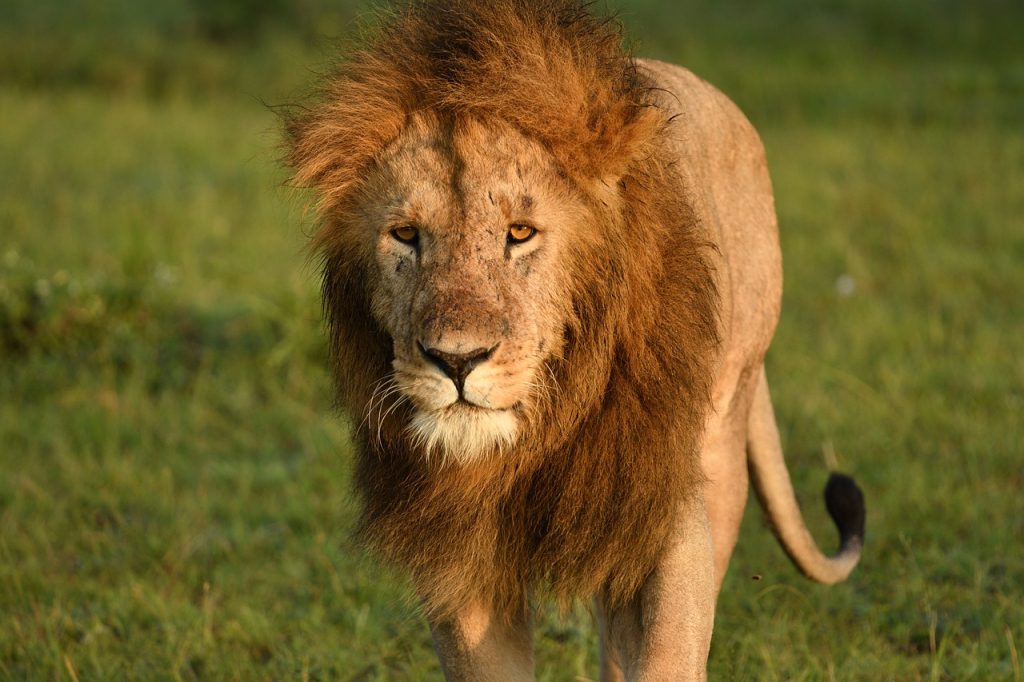
Tanzania is one of the world’s top safari destinations, offering an unparalleled combination of wildlife, landscapes, and cultural experiences. Travelers can witness the Big Five—lions, elephants, leopards, rhinos, and buffaloes—across vast, pristine wilderness areas such as Serengeti National Park and Ngorongoro Crater. The country’s national parks are incredibly diverse: from the iconic savannahs of Serengeti to the baobab-studded landscapes of Tarangire, the flamingo-filled lakes of Manyara, and the forested trails of Arusha. Beyond wildlife, Tanzania also offers adventurous trekking on Mount Kilimanjaro, cultural immersion with Maasai communities, and relaxing escapes on Zanzibar’s tropical beaches. Choosing a safari in Tanzania means experiencing world-class wildlife viewing, breathtaking scenery, and authentic cultural encounters, all in a safe, well-managed environment that caters to a wide range of travelers—from luxury seekers to adventurous explorers.

Kenya Safari Tours
Tanzania Safaris

How to Choose Parks for Tanzania Safari Adventures

Tanzania is home to some of Africa’s most iconic national parks, and selecting the right ones is key to creating an unforgettable safari. Here’s how travelers can make the best choice: 1. Consider Your Wildlife Interests: Big Five Seekers: Serengeti and Ngorongoro Crater are ideal for spotting lions, elephants, leopards, rhinos, and buffaloes. Elephants & Baobabs: Tarangire National Park is famous for its large elephant herds and iconic baobab trees. Birdwatchers: Lake Manyara National Park and Selous Game Reserve offer diverse bird species and scenic landscapes. 2. Factor in Accessibility:Some parks are easier to reach from major cities like Arusha or Dar es Salaam. For shorter trips, consider Arusha National Park or Lake Manyara, while remote parks like Ruaha or Selous are suited for longer, more adventurous safaris. 3. Choose by Experience Type: Classic Safari: Serengeti and Ngorongoro are perfect for traditional game drives. Adventure & Trekking: Parks like Arusha and Mahale Mountains offer walking safaris and chimpanzee tracking. Scenic Beauty: Tarangire and Lake Manyara provide stunning landscapes and photographic opportunities. 4. Match Parks to Your Itinerary:Combine parks that complement each other in wildlife, scenery, and travel distance. For example, a 7–10 day safari often includes Serengeti, Ngorongoro, and Tarangire for a comprehensive experience. 5. Consider Seasonal Variations:Wildlife movements differ by season. The dry season (June–October) is best for game viewing, while the wet season (November–May) brings lush landscapes and bird migration. By aligning your wildlife interests, accessibility, type of experience, and timing, you can select the best Tanzanian parks to ensure a safe, exciting, and memorable safari adventure.

Tanzania Safaris

How to Best Organize a Safari Tour in Tanzania?

Organizing a safari tour in Tanzania requires thoughtful planning to ensure a seamless and unforgettable experience. Here are key steps to consider: 1. Choose the Right Time to Visit:The dry season, from June to October, is ideal for wildlife viewing, as animals gather around water sources. The wet season, November to May, is less crowded and offers lush landscapes and birdwatching opportunities. 2. Select the Best National Parks:Decide which parks suit your interests and schedule. For classic safaris, Serengeti and Ngorongoro Crater are must-visits. For a quieter experience, consider Tarangire or Ruaha, while Lake Manyara and Arusha are perfect for shorter trips. 3. Choose Your Safari Style:Options range from luxury lodges and tented camps to mid-range or budget accommodations, depending on comfort preferences. Mobile safaris are also available for adventurous travelers. 4. Plan Your Itinerary and Duration:A 5–10 day itinerary usually covers multiple parks, maximizing wildlife sightings and cultural experiences. Include travel time between parks, as distances can be long. 5. Book with a Trusted Tour Operator:Working with a reputable safari company ensures expert guides, safe transport, park permits, and insider knowledge of the best game-viewing spots. 6. Prepare Essentials:Pack lightweight clothing, hats, sunglasses, binoculars, and insect repellent. Ensure vaccinations and travel insurance are up to date. 7. Include Cultural and Extra Activities:Enhance your safari by visiting Maasai villages, spice farms in Zanzibar, or engaging in hot air balloon safaris for a unique perspective on the wildlife. By carefully planning the timing, parks, accommodations, and activities, travelers can create a seamless, memorable Tanzanian safari that combines adventure, wildlife, and cultural experiences.

Tanzania Safaris

What Makes Tanzanian National Parks So Special?

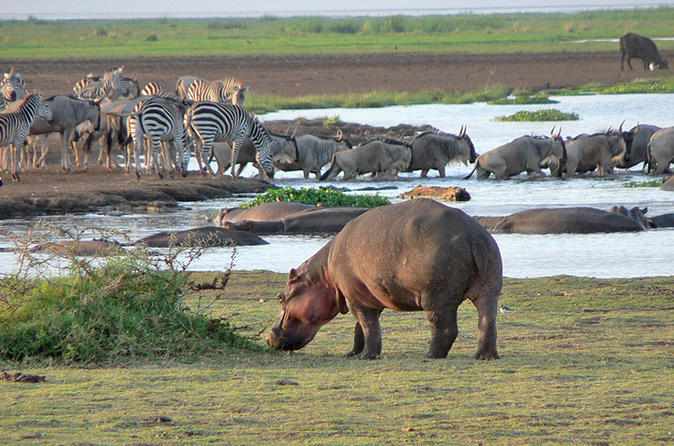
Tanzania’s national parks are world-renowned for their extraordinary wildlife, stunning landscapes, and rich biodiversity. Visitors have the chance to see the Big Five lions, elephants, leopards, rhinos, and buffaloes alongside countless other species thriving in their natural habitats. Each park offers unique experiences. Serengeti National Park is famous for the Great Migration, one of the most spectacular wildlife events on Earth. Ngorongoro Crater provides a remarkable setting, where a volcanic caldera shelters an incredible concentration of animals. Tarangire National Park captivates with its massive elephant herds and iconic baobab trees, while Lake Manyara National Park delights with flamingo-filled lakes and rare tree-climbing lions. Arusha National Park combines mountains, forests, and lakes, offering diverse safari adventures and hiking opportunities. Beyond wildlife, Tanzania’s parks provide cultural insights and conservation experiences, allowing travelers to engage with Maasai communities and learn about efforts to protect Africa’s natural heritage. It is this blend of spectacular scenery, abundant wildlife, and cultural richness that makes Tanzanian national parks truly extraordinary.

Tanzania Safaris

Which parks are the best in Tanzania?

Overview Tanzania is home to some of Africa’s most iconic wildlife destinations, offering unforgettable safari experiences. Serengeti National Park is world-famous for its vast plains and the spectacular Great Migration, while the Ngorongoro Crater provides a unique opportunity to see a wide range of animals in a single, stunning setting. Tarangire National Park is celebrated for its large elephant herds and majestic baobab trees, whereas Lake Manyara National Park is known for its tree-climbing lions and flamingos. Arusha National Park combines mountains, forests, and lakes, perfect for short safaris and adventure activities. Top National Parks to Visit in Tanzania 1. Serengeti National ParkThe Serengeti is Tanzania’s most famous park, celebrated for its endless plains and extraordinary wildlife. It’s the prime destination to witness the Great Migration of wildebeest and zebras, as well as predators like lions, leopards, and cheetahs. Game drives here are world-class, offering unparalleled safari experiences. 2. Ngorongoro CraterA UNESCO World Heritage Site, the Ngorongoro Crater is a natural wonder and one of the best places in Africa to see wildlife in a single location. The crater floor is home to lions, elephants, rhinos, buffaloes, and a variety of antelope species, making it ideal for first-time safari visitors. 3. Tarangire National ParkKnown for its massive elephant herds and iconic baobab trees, Tarangire is a quieter park that offers a more intimate safari experience. Birdwatchers will also enjoy the park’s diverse avian population. 4. Lake Manyara National ParkFamous for tree-climbing lions and large flocks of flamingos along the lake, Lake Manyara offers stunning scenery and excellent photographic opportunities. It’s a smaller park, perfect for a half-day or full-day safari. 5. Arusha National ParkLocated near Mount Meru, Arusha National Park combines mountain landscapes, forests, lakes, and wildlife. It’s ideal for short safaris, walking tours, and canoeing adventures, making it a versatile option for travelers with limited time. 6. Other Notable Parks: Selous Game Reserve – Tanzania’s largest reserve, offering remote and authentic safari experiences. Ruaha National Park – Known for its rugged wilderness and big cat populations. Mahale Mountains National Park – Famous for wild chimpanzees in a stunning forested setting

Tanzania Safaris

What should travelers know about Tanzania?

Overview Tanzania, located in East Africa, is a land of extraordinary natural beauty and cultural richness. Renowned for its vast savannahs, diverse wildlife, and iconic landmarks, it is a top destination for adventure, safari, and relaxation. The country is home to world-famous national parks such as Serengeti, Ngorongoro Crater, Tarangire, Lake Manyara, and Arusha, where travelers can witness the Big Five and the spectacular Great Migration. For adventure seekers, Mount Kilimanjaro, Africa’s highest peak, offers trekking experiences through lush forests, alpine deserts, and snow-capped summits. Along the Indian Ocean coast, Zanzibar captivates with its pristine beaches, turquoise waters, vibrant culture, spice farms, and historic Stone Town. Travel Guide: Key Things Travelers Should Know About Tanzania 1. Diverse Landscapes and Wildlife:Tanzania is a premier safari destination, famous for its extraordinary wildlife and stunning natural landscapes. From the vast savannahs of Serengeti National Park, where the Great Migration of wildebeest and zebras occurs, to the dramatic Ngorongoro Crater, a UNESCO World Heritage site teeming with wildlife, the country offers unforgettable safari experiences. Other notable parks include Tarangire, Lake Manyara, and Arusha National Park—each with unique ecosystems and abundant animal sightings. 2. Iconic Mount Kilimanjaro:Tanzania is home to Mount Kilimanjaro, Africa’s highest peak. Adventurers and trekkers from around the world climb its challenging routes, with the Marangu, Machame, and Lemosho routes being the most popular. The mountain offers a variety of experiences, from lush forests to alpine deserts, culminating in the breathtaking Uhuru Peak. 3. Tropical Beaches and Islands:The country’s coastline along the Indian Ocean features some of Africa’s most beautiful beaches. Zanzibar, with its pristine white sands, turquoise waters, and rich Swahili culture, is a top destination for relaxation, water sports, and cultural exploration. The island also offers spice tours, historic Stone Town, and wildlife encounters in Jozani Forest. 4. Cultural Richness:Tanzania is culturally diverse, with over 120 ethnic groups, including the Maasai, Chagga, and Hadza. Travelers can explore vibrant local traditions, colorful markets, and authentic culinary experiences, making the journey not just a visual but a cultural adventure. 5. Travel Logistics: Visa Requirements: Most international travelers require a visa, which can be obtained online (e-Visa) or on arrival for some nationalities. Best Time to Visit: The dry season, from June to October, is ideal for safaris, while December to March offers warm, beach-friendly weather. Health Considerations: Malaria is present in many regions; travelers should take preventive measures and ensure vaccinations are up to date. 6. Adventure and Activities:Beyond safaris and trekking, Tanzania offers diving, snorkeling, kite surfing, and hot air balloon safaris. Lake Tanganyika, Lake Victoria, and other freshwater lakes also provide opportunities for fishing and boating adventures. 7. Safety and Etiquette:Tanzania is generally safe for travelers, though precautions are recommended in urban areas. Respect for local customs, dressing modestly in rural and religious areas, and seeking permission before photographing locals are important cultural norms.

Scroll to Top